

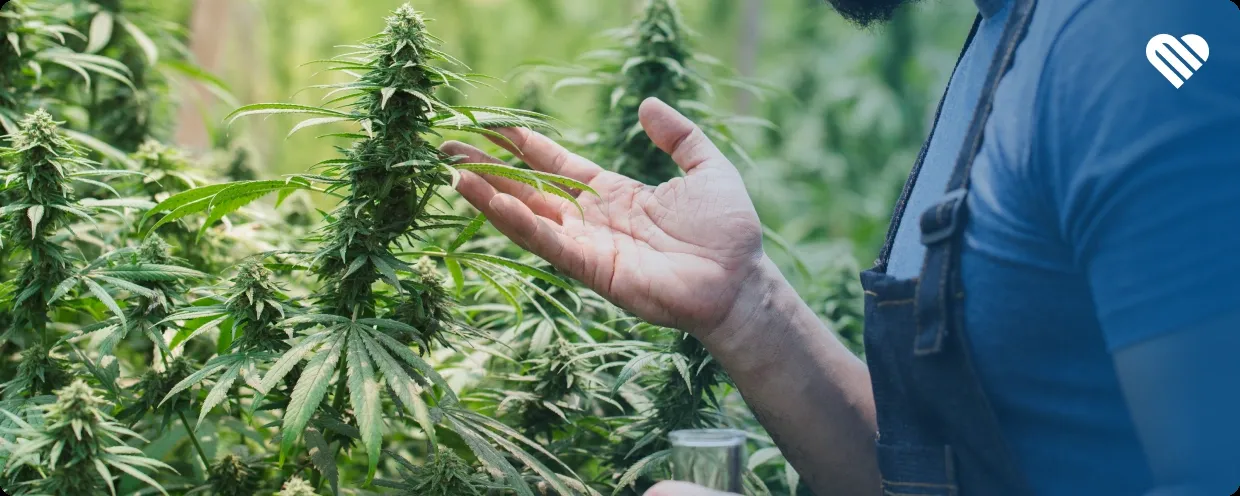
A limited growing area can support healthy plants when the space is planned around mature growth, equipment clearance, and daily access. Problems usually begin when growers judge only the size of a young clone and overlook the room needed for containers, lighting, ventilation, drainage, and future foliage. A compact setup should be designed before plants arrive, with realistic expectations about how genetics and environmental management influence final size.
Measure the Usable Area
The dimensions of an empty tent or cabinet do not represent the full growing zone. Containers and trays occupy floor space, while lights and safe clearance reduce height. Fans, filters, cables, and monitoring equipment also need room. A simple sketch can show where each item will sit and whether the grower can still reach every plant.
Leave space for routine work. Watering, inspecting leaves, cleaning spills, and adjusting equipment are difficult when the area is packed tightly. A layout that looks efficient on paper may become impractical if the back container cannot be reached without moving everything else.
Choose Genetics with Structure in Mind
Some varieties naturally remain more compact, while others stretch rapidly or develop broad branching. Product descriptions should give general information about plant structure, flowering time, and environmental suitability. These characteristics are not guarantees, but they help growers avoid choosing a vigorous plant for a space with little height.
The term micro weed plant may suggest that a cannabis plant will remain very small automatically. In reality, size reflects genetics, container volume, light, nutrition, environmental conditions, and management. A compact garden succeeds through planning rather than relying on a label.
Start with Fewer Plants
New growers often try to fill every corner, but fewer plants may be easier to manage. Crowding restricts airflow, blocks light, and makes pest inspection difficult. It can also increase humidity between leaves and create areas that are hard to clean.
Starting with one or two appropriately selected plants gives the grower space to learn how quickly the medium dries, how much the variety stretches, and how the equipment affects temperature. The layout can be adjusted later based on real observations rather than assumptions.
Match Containers to the Room
Larger containers provide more root space, but they occupy more floor area and become difficult to move. Very small containers save space but may dry quickly and require close monitoring. The best choice balances plant needs with the grower’s ability to water, inspect, and manage drainage.
Every container should have a stable tray or safe drainage method. Standing water should not be allowed to collect near electrical equipment. Waterproof surfaces make cleaning easier and reduce damage to the surrounding room.
Plan Lighting Carefully
More light is not always better. A powerful fixture placed too close to young plants can cause heat stress, bleaching, or curling. The grower should consider the fixture’s coverage, heat output, and recommended distance rather than buying solely on advertised wattage.
New clones should be introduced gradually to the final light intensity. Nursery conditions may be gentler than the compact room. A controlled transition makes it easier to identify whether a change in leaf posture is caused by light, heat, or another environmental factor.
Create Stable Airflow and Ventilation
Small enclosures can heat up quickly and develop uneven humidity. Gentle circulation helps move air around foliage, while ventilation removes heat and stale air. A fan should not blast directly at delicate leaves; the goal is light movement rather than constant force.
Monitoring equipment is valuable because compact spaces can change rapidly when lights switch on or off. Temperature and humidity readings taken at plant height are more useful than readings near the floor or ceiling. The grower should also check conditions during both day and night cycles.
Keep the Space Accessible and Clean
Healthy homegrown weed plants require regular observation. Leaves should be checked from several angles, and the growing medium should be easy to reach. A clean layout encourages routine care because tools, water, and equipment can be used without disturbing the plants.
Remove fallen leaves, spilled medium, and standing water promptly. Clean tools between plants, and avoid storing unnecessary items inside the growing area. New arrivals should be inspected separately when possible so pests or unusual symptoms are noticed before they affect the main space.
Manage Watering by Observation
Small containers and warm rooms can dry faster than expected, but frequent watering can also leave roots without enough oxygen. Check moisture below the surface and learn the weight of each container. A rigid daily schedule is less reliable than observing the actual medium.
Record watering dates and plant responses. These notes can reveal whether one corner of the room dries faster or whether the environment changes after equipment adjustments. Consistency becomes easier when decisions are based on a pattern.
Consider Safety from the Beginning
Water, electricity, and heat require careful organization. Cables should remain dry and secure, outlets should not be overloaded, and equipment should be installed according to manufacturer guidance. The enclosure should not block exits or create a fire risk.
Odor, noise, and humidity may also affect the surrounding home. A compact garden should be planned so it does not damage walls, disturb neighbors or create hidden moisture problems. Responsible cultivation includes protecting the property as well as the plants.
Verify Legal and Property Rules
Cannabis cultivation regulations vary by jurisdiction. Growers should confirm age requirements, plant limits, enclosure standards, visibility rules, and any medical or licensing conditions. Renters should review their lease, and residents of managed properties should check association policies.
The legal maximum is not always the practical number for a small room. A lower plant count may provide better access and safer environmental control.
Final Thoughts
A productive small garden depends on balance. Genetics, containers, lighting, airflow, access, cleanliness, and watering must work together within a limited area. The most successful setup is not the one with the greatest number of plants, but the one the grower can inspect and manage consistently.
Planning before purchase reduces later compromises. Measure the space, test equipment, prepare drainage, and leave room for daily care. Suitable plants and gradual transitions make a compact garden safer and easier to maintain.
